What Qinan is
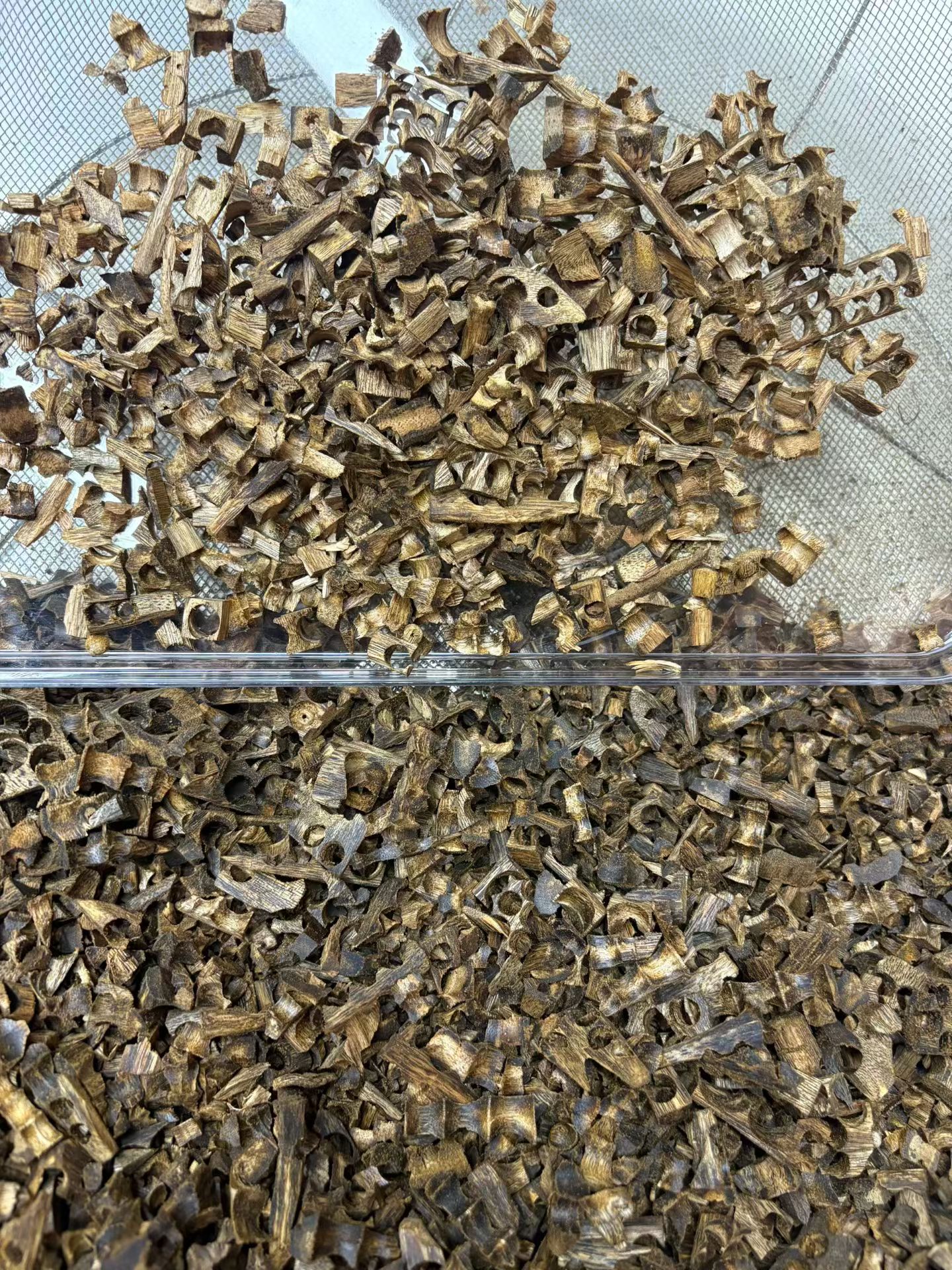
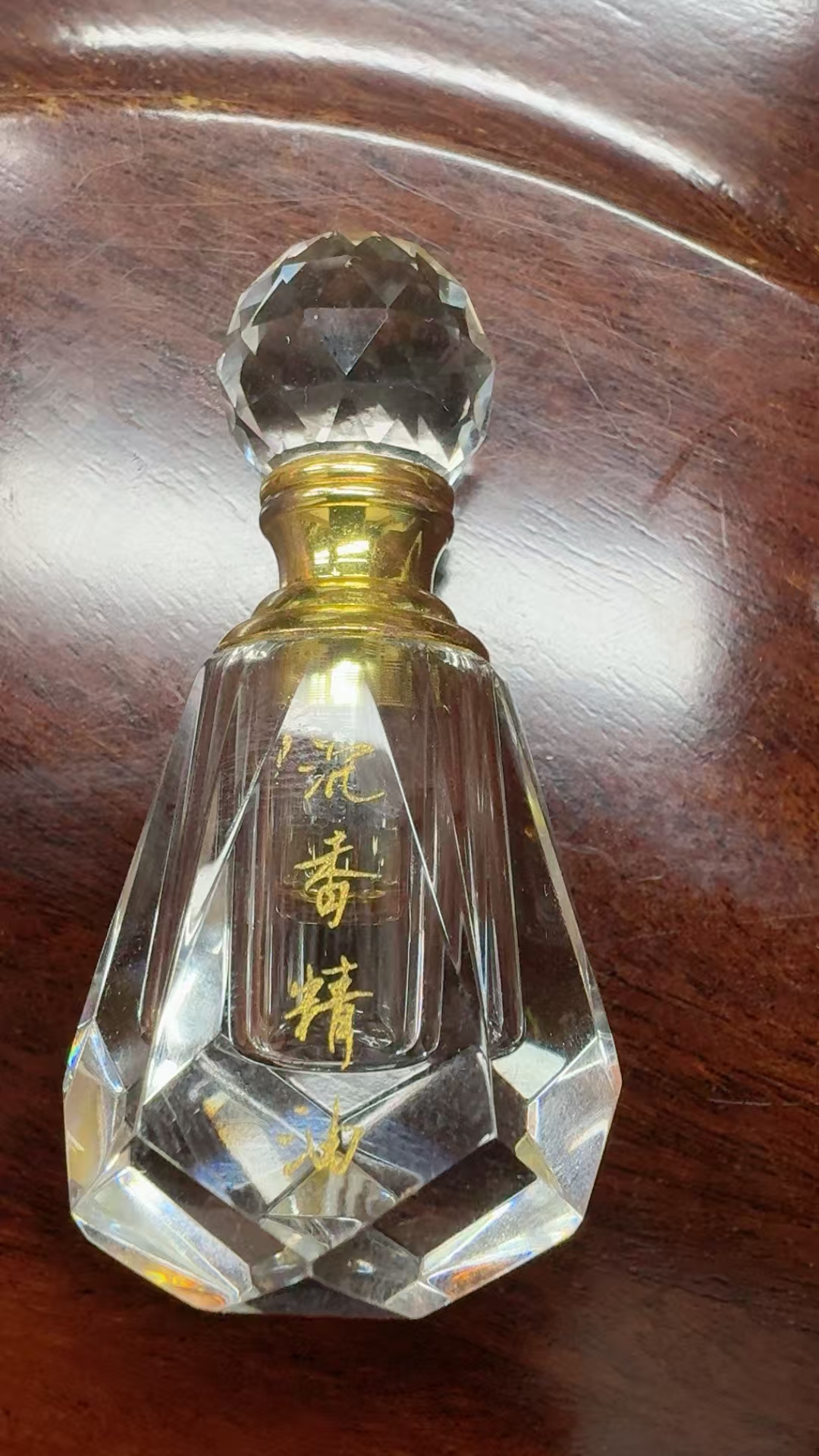
In international commercial trade, agarwood (aloeswood, gaharu, or chenxiang) denotes the pathological heartwood formed within trees of the Thymelaeaceae family—primarily Aquilaria species. Qinan (also rendered Kynam or Kyara in East Asian traditions) represents an extreme biochemical variance of this resinification process.
Unlike ordinary wild or conventional agarwood—where resin channels cluster in rigid, fibrous ribbons interspersed with dry parenchyma—cultivated Aquilaria sinensis (cultivated Qinan scions) from the microclimatic corridors of Dianbai (Guangdong, China) develops saturated cellular resin ducts throughout the xylem matrix. The wood yields under minimal fingernail pressure, exhibits a distinctly soft, waxen consistency, and releases volatile sesquiterpenes even at ambient room temperature.
Provenance Notice: While historical wild harvests in Indochina have faced strict ecological depletion and legal export bans under CITES Appendix II, Dianbai’s standardized grove-grafted plantations allow international houses to acquire chemically verified, legally sustainable, batch-traceable Qinan without regulatory ambiguity.
How grade is measured
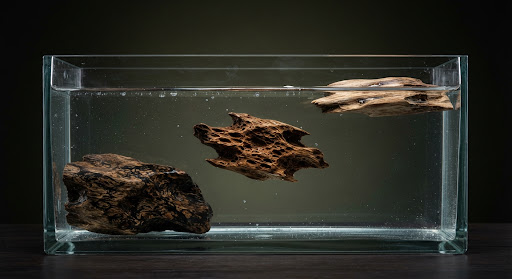
The physical classification of agarwood has historically relied on the immersion test. In Dianbai quality-control facilities, this classical test is executed under regulated laboratory conditions: specimens are tested in distilled water calibrated precisely to 20°C (ρ = 0.9982 g/cm³) using high-precision digital balances sensitive to ±0.001g.
Wood tissue in living Aquilaria sinensis possesses an unresinated dry density of approximately 0.35–0.45 g/cm³—well below the buoyancy threshold of water. As the tree responds to specialized induction fungal pathways, natural agarofuran-rich oleoresin (with specific gravity exceeding 1.15 g/cm³) infuses the cell lumina. When resin concentration passes the critical boundary, the composite specimen's bulk density surpasses 1.00 g/cm³, resulting in immediate negative buoyancy.
“Visual darkness does not guarantee sinking density. True sinkability is determined exclusively by cellular resin canal saturation tested in hydro-immersion metrology.”
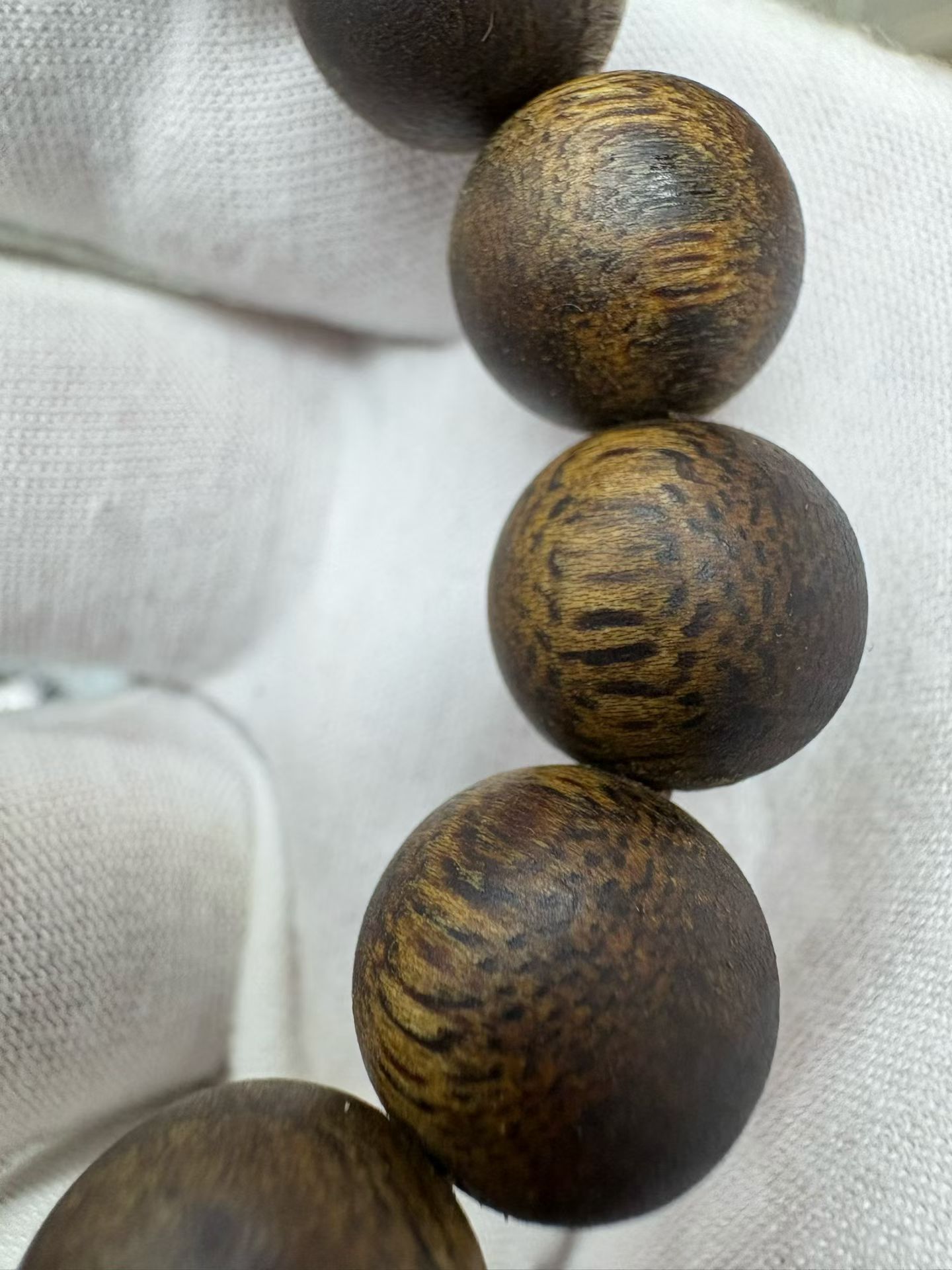
Buyer beware: optical appearance is frequently manipulated in unregulated secondary markets through mineral oil rubs, microcrystalline waxing, or vacuum dye infiltration. These deceptive surface coatings increase weight temporarily but degrade aromatic purity upon heating and fail standard pycnometric solvent washes.
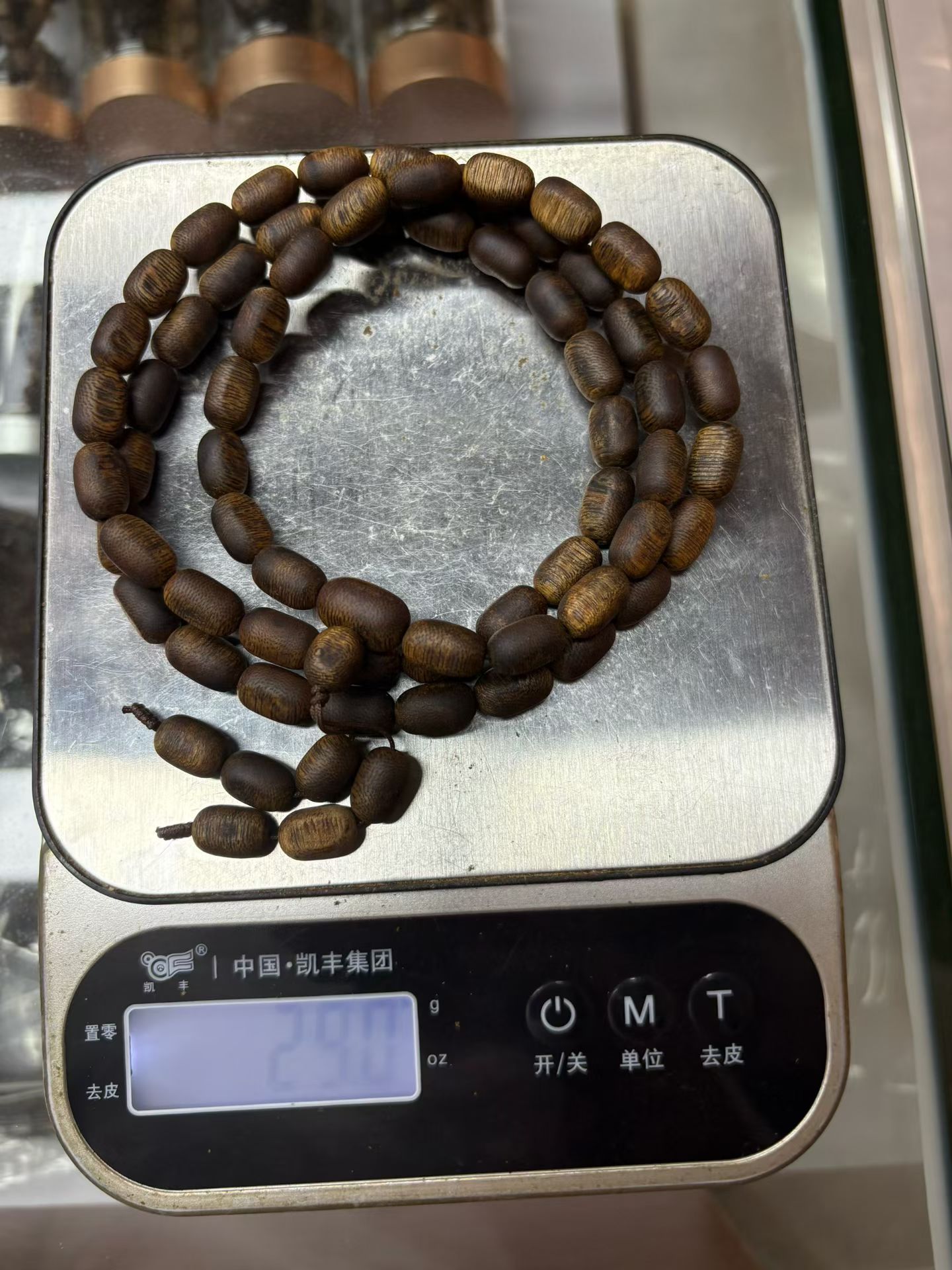
Sinking vs semi-sinking vs floating
Understanding the three structural tiers allows perfume formulators and retail manufacturers to calibrate raw ingredient costs against required aromatic intensity:
| Grade | Sink Test | Resin Saturation | Typical Use | Price Tier |
|---|---|---|---|---|
|
Sinking (沉水)
> 1.00 g/cm³
|
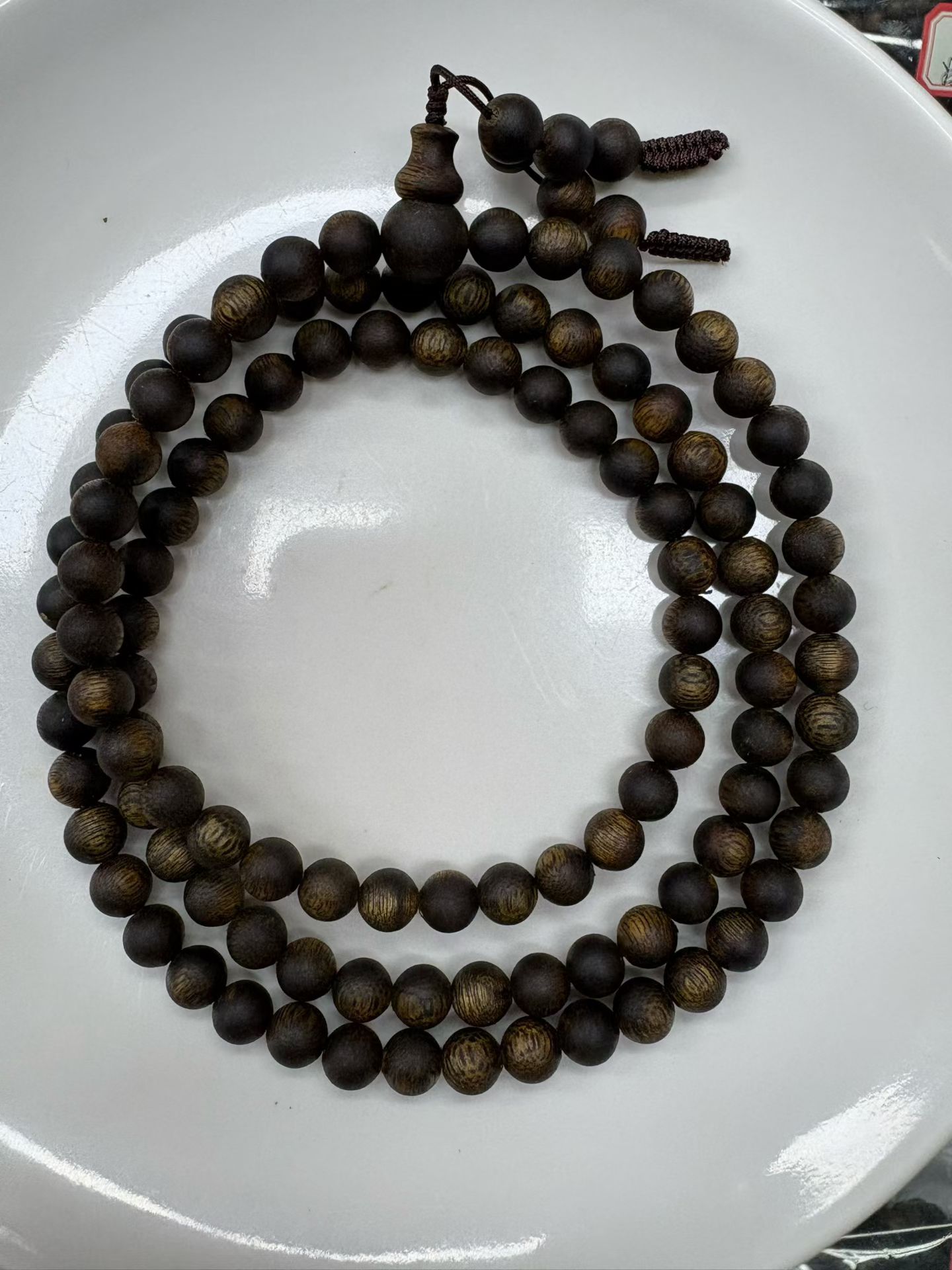
100% full immersion below water line within 3 seconds | Complete cellular canal saturation; jet-black/amber veins (>38% volatile fraction) | Bespoke attar distillation, archival art carving, luxury prayer beads | Sovereign / Tier 1 |
|
Semi-sinking (沉水浮 / 半沉)
0.85 – 0.98 g/cm³
|
Suspends midway in column or hovers barely at waterline | Dense resin ribbons with alternating wood fibers (25%–35% volatile fraction) | Niche perfumery compounding, high-grade incense sticks, fine jewelry | Commercial Master / Tier 2 |
|
Floating (浮水)
< 0.85 g/cm³
|
Floats freely on surface with significant exposed dry mass | Dispersed micro-canal resin pockets; sweet honey-balsamic signature (15%–24% volatiles) | Wellness incense coils, industrial extraction, cosmetic oil macerations | Entry & Formulation / Tier 3 |
* Metrological Note: Specimens must be submerged momentarily to clear surface air bubble tension before recording equilibrium density.
** Laboratory condition: 20°C distilled H₂O at standard barometric atmospheric pressure (101.3 kPa).
What affects price
In wholesale B2B negotiations, agarwood pricing does not follow simple commodity indices. Several technical variables directly determine invoice quotations:
1. Anatomical Cut
Core solid heartwood blocks demand substantial premiums over thin superficial carving shavings or veneer sheets, which have higher surface evaporation losses.
2. Moisture Content Equilibrium
Reputable producers desiccate specimens to ≤10% moisture content. Unstabilized lots lose up to 15% weight within 60 days of overseas transit.
3. Cultivar Lineage
Dianbai Green Oil (绿油) and Iron Head (铁头) strains exhibit higher agarotetrol concentrations than standard domestic variants, Commanding a 30–45% variance.
4. Legal Clearance Dossier
Every lot must incorporate an official CITES Appendix II export certificate and National Forestry provenance documentation to ensure full compliance with international wildlife trade regulations.
How to verify a batch
Before authorizing large capital allocations or telegraphic transfers for high-grade Qinan shipments, enterprise procurement teams should execute the following five-step due diligence sequence:
-
01
Request unbroken hydro-immersion video: The supplier must film continuous footage of the batch weighed on a zeroed scale, followed immediately by immersion in a clear cylinder alongside a physical date placard and serial batch identifier.
-
02
Require dry weight verification: Sinking tests must specify that wood was weighed at room equilibrium, not soaked prior to shipment to falsely boost gravimetric readings.
-
03
Inspect GC-MS chromatographic fingerprints: Demand quantitative testing reports detailing presence and percentages of key markers: agarotetrol, isoagarotetrol, baimuxinal, and 2-(2-phenylethyl)chromone derivatives.
-
04
Validate CITES & phytosanitary declarations: Ensure the botanical identifier specifies Aquilaria sinensis with registered plantation codes issued by the Dianbai forestry authority.
-
05
Secure third-party escrow or pre-shipment sampling: Standard contracts should allocate a 10g benchmark sample drawn randomly from the sealable cargo container prior to freight release.
Buying checklist
Keep this technical checklist active across your purchase orders and supplier RFQs: